Reviewing the Machine Embroidery Apple for Craft Fairs
As an embroidery designer preparing for a busy weekend at the local handmade market, my table needs to tell a story instantly. Shoppers walk by in seconds, and their eyes need to catch something familiar yet fresh. This week, I am evaluating the Machine Embroidery Apple design to see if it earns a prime spot on my display rack. With the Back To School season approaching, this classic motif carries heavy potential, but only if the execution matches the demand. My goal is to determine if this specific file translates well from a digital preview to a tangible craft fair product that drives sales.
First Impressions and Visual Appeal
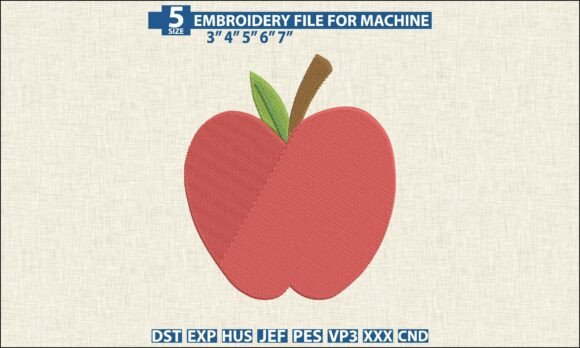
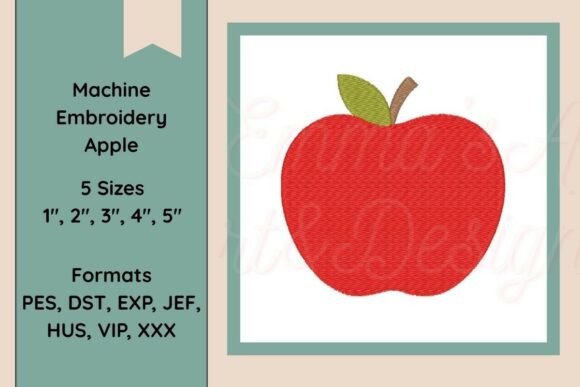
Upon loading the preview of the Machine Embroidery Apple, the immediate impression is one of vibrancy and clarity. The description promises a "clean and vibrant" look, and in the context of a crowded booth, clean lines are essential. A design that feels too busy or muddy gets lost against textured fabrics. This apple appears to strike a balance between a cute, approachable aesthetic and a polished, professional finish. It does not scream "novelty item" in a cheap way; rather, it offers a timeless symbol that resonates with teachers, parents, and anyone nostalgic for autumn.
The color palette suggested by the bright reds and greens is crucial for visibility. In a sea of neutral linens and canvas totes, a pop of saturated color draws the eye. For an Etsy seller or boutique maker, this visual punch translates directly to better click-through rates on thumbnails. However, the true test is how it holds up in person. Does it look like a flat sticker, or does it have the dimensional quality of high-end Embroidery? Based on the clean lines described, this design leans towards a modern, graphic style that works exceptionally well for contemporary home decor and wearable accessories.
Product Versatility for Market Tables
When setting up a booth, versatility is key to maximizing inventory without overcrowding. The Machine Embroidery Apple shines across a variety of substrates. Here is how I envision deploying it:
- Tote Bag Design: A large-scale version centered on a natural canvas tote is a no-brainer. Teachers love functional gifts, and this serves as a perfect handmade product for carrying grading papers or lunch.
- Apron Embroidery: Placed on the bib of a kitchen apron, the apple adds a charming touch for the crafty homemaker. It suggests warmth and domestic creativity.
- Tea Towel Embroidery: Stitched near the hem of a flour sack towel, this design creates an affordable impulse buy. These are easy to stack and sell in multiples.
- Embroidered Patch: If the file allows for a tight satin border, turning this into an iron-on patch expands the market to customers who want to customize their own denim jackets or backpacks.
- Fabric Pouches and Caps: Smaller iterations work well on zipper pouches for school supplies or the front panel of a baseball cap, provided the curvature of the cap does not distort the shape.
The ability to scale this design makes it a strong contender for batch production. Whether used as a small accent on a pocket or a large focal point on a pillow cover, the simplicity of the apple shape ensures it remains recognizable at various sizes.
Production Realities and Technical Considerations
While the aesthetic is promising, a professional review must address the practicalities of stitching. Before committing to a full run of inventory, I always advise testing the digital embroidery file on scrap fabric that matches your intended final product. Several factors can make or break the finished product:
Stitch Density and Fabric Texture: Dense stitch areas can cause puckering, especially on lighter fabrics like tea towels or thin cotton pouches. If the apple design has heavy fill stitches, you may need to adjust the density or switch to a heavier weight fabric. Conversely, on thick fabrics like tote bags, ensure the needle penetrates cleanly without skipping stitches.
Thread Colors and Contrast: The vibrancy mentioned in the description relies heavily on thread choice. Using high-sheen rayon or strong polyester threads will enhance the "fresh" look. However, be cautious with dark fabrics; if the apple is red, it might vanish on a maroon background. Always compare fabric colors before hooping.
Curved Surfaces and Hoop Size: If you plan to embroider caps, remember that the surface is curved. Designs that are too wide or have intricate tiny details can distort on a cap frame. Verify the required hoop size against your machine's capabilities and the dimensions of your items. A design that fits a 5x7 hoop might be too large for a small coin purse.
Small Details and Clarity: Examine the stem and leaf details. In smaller versions, tiny satin columns can become fragile or merge together. If the design loses clarity at smaller sizes, reserve those file sizes strictly for larger items like pillow covers or market bags.
Maximizing Sales and Brand Consistency
For the small shop product lineup, consistency builds trust. If you use the Machine Embroidery Apple on your booth signage, price tags, and sample items, it creates a cohesive brand identity. Customers are more likely to engage with a display that looks curated rather than random. This design acts as a visual anchor, signaling "quality handmade goods" immediately.
Photography is another critical sales driver. This design photographs well because of its distinct shape and color contrast. Creating a printable mockup or staging real photos with good lighting can highlight the texture of the stitches, which is a major selling point over printed vinyl designs. Emphasize the tactile nature of the machine embroidery design in your online listings to justify a higher price point compared to mass-produced items.
Final Designer Notes for Success
To ensure this design becomes a bestseller rather than a shelf-warmer, follow these final steps before the fair opens:
- Test Rigorously: Stitch a sample on every fabric type you intend to sell. Check for pull compensation and registration issues.
- Review Stabilizer: Match your stabilizer to the fabric weight. A wobbly apple on a tote bag looks unprofessional; use a cut-away stabilizer for stretchy or heavy-use items.
- Check Licensing: Before selling any commercial embroidery products, confirm the license terms of the design assets. Ensure you have the right to sell finished goods made from this file.
- Create Mockups: Have at least one pristine sample of each product type (bag, towel, patch) ready for customers to touch and feel.
In conclusion, the Machine Embroidery Apple is a robust choice for the upcoming season. Its universal appeal, combined with the right production techniques, positions it as a high-value addition to any craft fair booth. By paying attention to fabric texture, stitch quality, and presentation, you can turn this simple fruit motif into a profitable cornerstone of your Back To School collection.