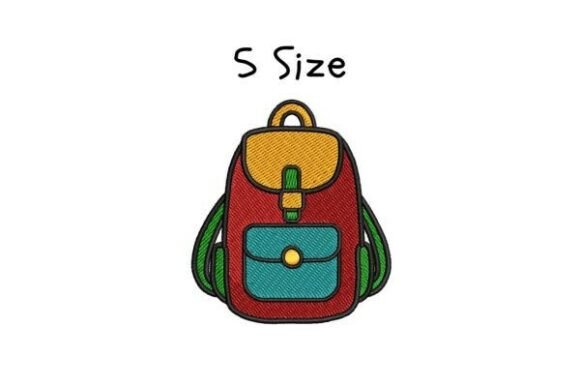
Review: Backpack Embroidery Design for Craft Fairs
As an embroidery designer who has spent countless weekends behind a booth table, I know that not every digital file translates into a bestseller. When I first pulled up the Backpack Embroidery Design, my immediate goal was to determine if it had the visual punch required for a high-traffic craft fair environment. In the world of handmade goods, you have roughly three seconds to catch a passerby’s eye. This review breaks down how this specific design performs from a production and sales perspective, focusing on its viability for Back To School collections and year-round Embroidery products.
First Impressions and Aesthetic Appeal
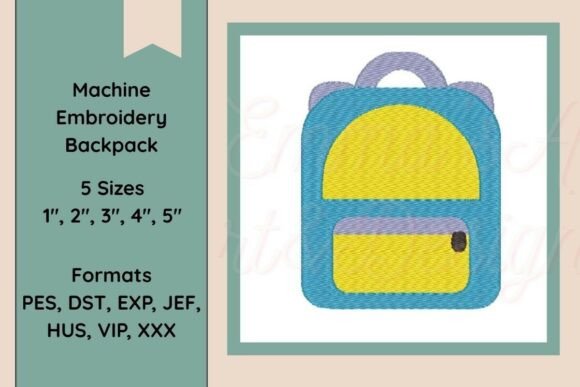
The initial glance at the Backpack Embroidery Design suggests a versatile aesthetic. It does not lean too heavily into one niche, which is both a strength and a challenge. For a craft fair seller, versatility is key. The design feels modern yet approachable, avoiding overly complex details that might get lost on textured fabrics. It strikes a balance between cute and functional, making it suitable for a wide demographic. Whether you are targeting parents looking for durable school gear or young adults seeking trendy accessories, the visual language here is inclusive. It lacks the rigidity of corporate logos but maintains enough structure to look professional on a finished product.
Product Versatility and Market Fit
The description notes that this is a machine embroidery design available in five sizes for instant download. This multi-size feature is critical for batch production. Here is how I envision this design performing across different product categories:
- Tote Bags and Market Bags: This is likely the strongest application. A medium-to-large hoop size allows the backpack motif to serve as a focal point. On canvas or heavy cotton, the design stands out clearly, creating a sturdy tote bag design that appeals to students and shoppers alike.
- Aprons and Tea Towels: For kitchen linens, the smaller sizes of the embroidery file work well as accent pieces. Placed on the bib of an apron or the corner of a towel, it adds a touch of whimsy without overwhelming the fabric. However, ensure the stitch density is appropriate for thinner materials to prevent puckering.
- Embroidered Patches: Creating iron-on or sew-on patches is a fantastic way to maximize profit margins. The design’s lines appear clean enough to hold up when cut out. Patches are excellent impulse buys at craft fairs, allowing customers to customize their own existing jackets or bags.
- Caps and Hats: Curved surfaces are tricky. If you plan to use this on caps, select the smallest size option. Ensure your stabilizer is robust, as the curvature can distort the image if the fabric shifts during stitching.
Production Practicality for Small Shop Owners
For an Etsy seller or boutique maker, time is money. The promise of "instant download" and multiple sizes suggests this digital embroidery file is ready for immediate production. However, practical judgment is required before running a full batch. The description advises ensuring proper stabilization to achieve a beautiful and flat finish. This is not just a suggestion; it is a requirement for professional results.
When evaluating this as a craft fair product, consider the stitch count relative to the size. While exact counts are not provided in the brief, experienced designers know that dense areas can cause fabric distortion. I recommend testing the design on scrap fabric identical to your final product. Check how the thread colors interact with your chosen fabric. High contrast usually sells better from a distance, so pair dark threads with light fabrics or vice versa.
Handling Fabric Texture and Stabilization
The note about using proper stabilization is crucial for items like tea towel embroidery or textured tote bags. Waffle-weave towels, for instance, can swallow small stitches, making the design look muddy. If you are working with textured fabrics, use a cut-away stabilizer to provide long-term support. For woven canvases used in bags, a tear-away might suffice, but always test first. The goal is a flat finish; any bubbling or pulling devalues the handmade product in the eyes of the customer.
Visual Impact and Branding
How does the Backpack Embroidery Design affect your brand consistency? If your shop focuses on educational or youth-oriented items, this design fits seamlessly into a Back To School collection. It reinforces a theme of readiness and adventure. For broader appeal, it works as a neutral, everyday motif. When photographing for online listings, ensure the lighting highlights the texture of the stitches. A good printable mockup can help visualize the design on various items, but nothing replaces a photo of the actual finished product.
Booth display strength relies on variety. Use this design to create a cohesive look across different price points. Offer a premium embroidered backpack or tote at a higher price point, and smaller items like patches or pencil pouches at a lower entry price. This tiered pricing strategy keeps customers engaged and increases the average transaction value.
Designer Notes and Careful-Use Guidelines
Before committing to large-scale production, heed these practical notes based on general embroidery principles:
- Test on Scrap Fabric: Never run a new design on your final inventory without a test stitch-out. Check for thread breaks and tension issues.
- Check Thread Contrast: Ensure the design elements are distinct. If the backpack outline blends into the fill, increase the contrast in your thread selection.
- Review Spacing and Density: Look closely at the preview. Are there areas where stitches are too close together? This can cause jamming. Adjust density settings if your machine allows, or choose a fabric that can handle the bulk.
- Confirm Hoop Size: Match the design size to your hoop. Do not try to force a large design into a small hoop by re-hooping, as this often leads to misalignment.
- Commercial Licensing: The description mentions "instant download," but always verify the license terms. Ensure you have the right to sell finished products made with this design assets package. Most standard licenses allow for physical sales but prohibit reselling the digital file itself.
Final Verdict for Craft Fair Sellers
The Backpack Embroidery Design offers a solid foundation for a diverse range of small shop product offerings. Its adaptability across five sizes makes it a valuable addition to any digital library. For commercial embroidery purposes, it provides the flexibility needed to create everything from high-ticket tote bags to low-cost impulse items like patches. Success lies in the execution: proper stabilization, thoughtful fabric selection, and strategic placement. By treating this design as a core element of your Back To School or everyday carry collection, you can create a compelling narrative that draws customers to your booth and keeps them coming back to your online store. Remember, the design is only half the product; the quality of your stitching and the choice of material complete the story.